

2026 – 2028 MOKA – Smart Video Learn
MOKA (Smart Video Learn) is developing a future-oriented learning platform for vocational education. Together with the AI Production Network at the University of Augsburg, we are building an innovative digital learning app that meets trainees where they already spend their time — in their everyday digital environment.The project combines three approaches: gamified micro-learning, Social Video Learning, and micro-credentials. The resulting solution will be connected to the established AI education program of the Centre for Future Production, and is designed for trainees, trainers, and vocational schools alike.MOKA builds directly on our long-standing expertise in Social Video Learning — extending an approach we've refined over years in trainer and competence education into the context of vocational training, with the goal of strengthening future-relevant skills and driving research transfer into companies.Funding: The project is funded by the German Federal Ministry for Economic Affairs and Energy (BMWE) as part of the "Innovation Programme for Business Models and Pioneering Solutions" (IGP).
2025-2027 BLESS
The BLESS (Blended LEarning for Supporting Students through moral distress and maternity care-related trauma) project is developing a blended learning program for teachers and trainers in midwifery education. The aim is to better prepare them to support students in emotionally stressful training situations, thereby strengthening resilience, emotional competence, and trauma-sensitive teaching practices.The program is based on comprehensive literature research and focus groups with relevant stakeholders. On this basis, an innovative learning concept is being developed—with edubreak®CAMPUS as its didactic core—that supports teachers in identifying and supporting students at an early stage.The project is a collaboration between Charité - Universitätsmedizin Berlin and the Cyprus University of Technology (CUT, Limassol). And as with the BBC project, it will again be participatory, with strong involvement from all stakeholders.Funding: The project is funded by the European Union as part of Erasmus+ Small Partnership (duration: September 1, 2025 – August 31, 2027) and contributes to strengthening resilience, emotional competence, and trauma-sensitive teaching practices in midwifery education.Participating staff: Veronika ChristodoulidesAdditional resources: AI-generated podcast on literature research.
2022 - 2025 SolVing 2

The research and development project "SolVing II" (2022–2025), funded by the Federal Ministry of Education and Research with €680,967, aims to develop and pilot a comprehensive video annotation solution for the National Education Platform.
The so-called Social Video Hub promotes collaborative video annotation to foster video-based knowledge sharing across various contexts.
Key project objectives include ensuring interoperability with existing systems, safeguarding data security and didactic autonomy in video management, supporting lifelong learning through a video annotation portfolio, and pursuing user-centered development for the ecosystem of the National Education Platform.Find out more..
2022 - 2024 Baby Buddy Communicators
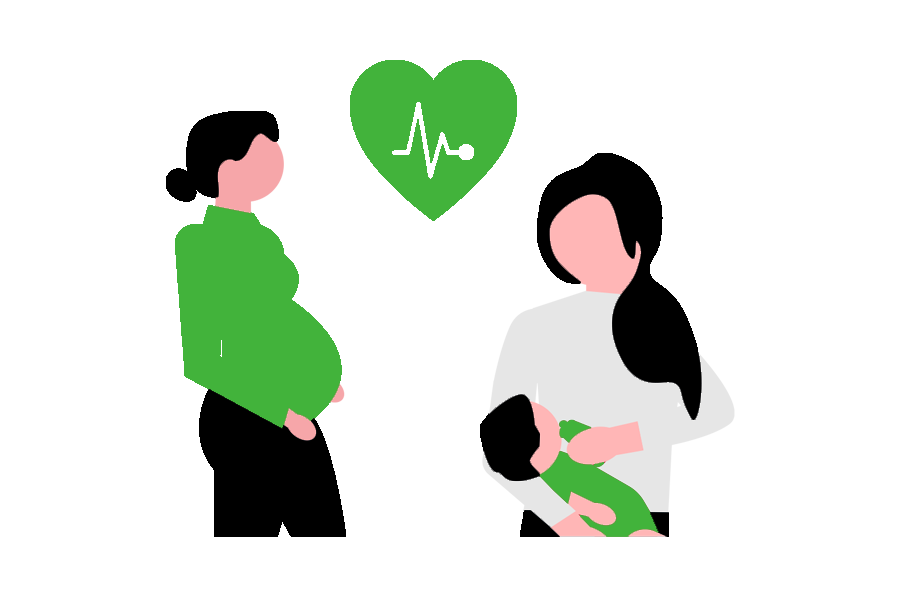
The project "Baby Buddy Communicators" (BBC) is a European knowledge partnership between Germany and Cyprus, funded from 2022 to 2024 with €20,000 through the EU’s Erasmus Plus program.
Its goal is to enhance the communication skills of midwives during their dual studies by using the didactic innovation Social Video to bridge theoretical knowledge and practical application.
Through competency-oriented blended learning, the project aims to better connect various learning and experience spaces and avoid isolated learning.
Project partners include the NGO Birth Forward, the Cyprus University of Technology, Ghostthinker GmbH, and Humboldt University of Berlin.
2021 - 2022 SolVing
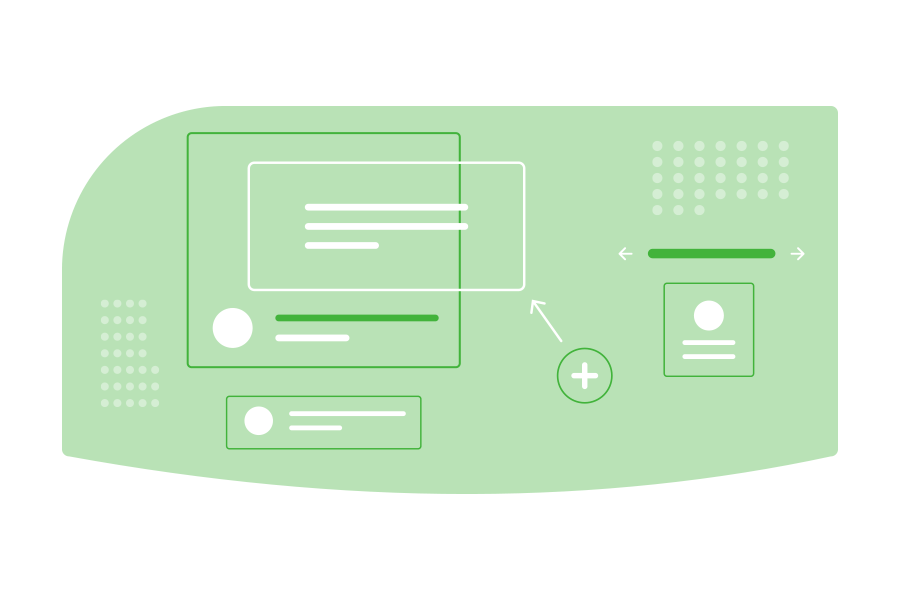
The SolVing project focused on the conceptual advancement and testing of the Social Video approach in diverse teaching and learning contexts.
The project applied the concept to teaching competencies of educators and adapted it for different educational settings.
In addition, a technological concept was developed for implementing the approach on the National Education Platform initiated by the Federal Ministry of Education and Research (BMBF).
2019 - 2022 STEM on the Move

This project aimed to link positive movement experiences at school with improved learning outcomes in STEM subjects.
Ghostthinker further developed the edubreak®APP and our Social Video Player to successfully support the project, enhancing Social Video Learning with a feature for the synchronous display of sensor data.
2018 - 2022 Student Crowd Research Videobasiertes Lernen durch Forschung und Nachhaltigkeit
This project created a digital learning environment where large numbers of students could engage with sustainability topics in a research-driven manner through the use of video technologies.
It built upon the existing Virtual Academy for Sustainability (VAN) at the University of Bremen, which already offers video-based courses on sustainable development.